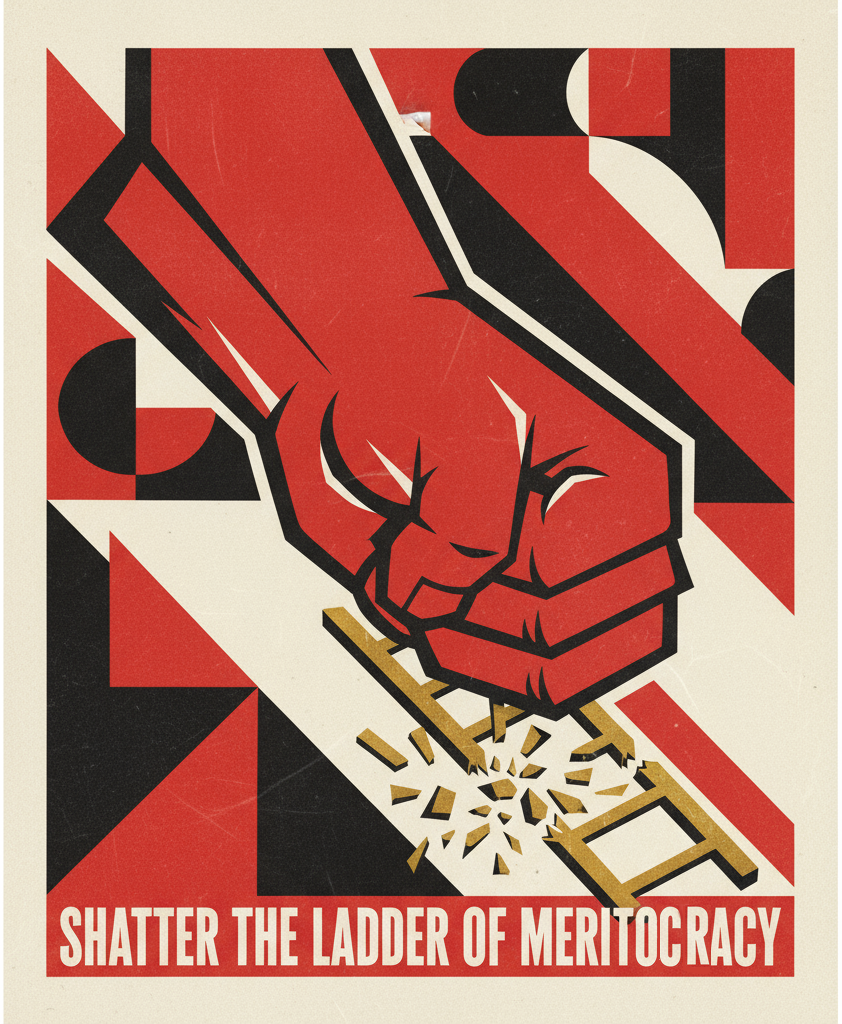
EVERYTHING YOU KNOW ABOUT SUCCESS IS WRONG.
DISCOVER WHY “EARNING IT” IS TEARING SOCIETY APART.
READ “THE TYRANNY OF MERIT” BY MICHAEL SANDEL.
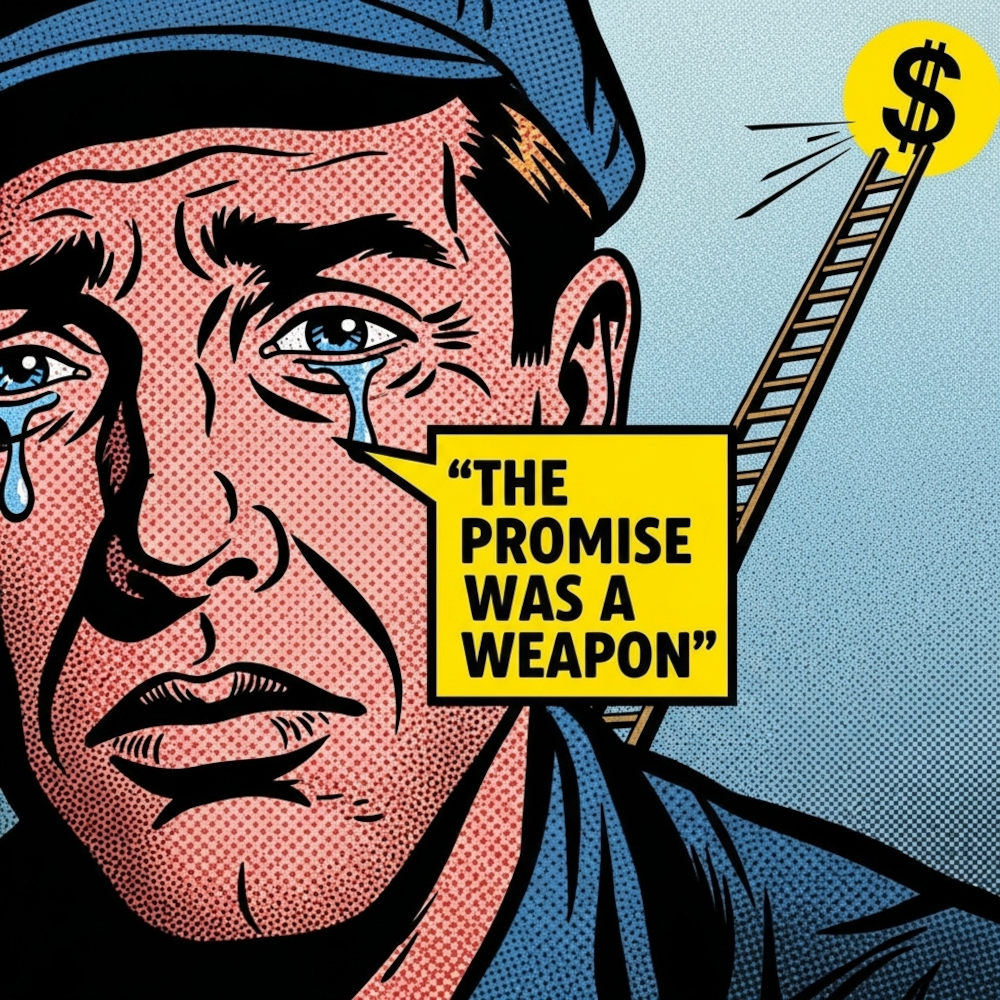
We’ve all been told the story. It’s the bedrock of our society: “Work hard, play by the rules, and you will rise.” This promise feels like a universal truth, a noble goal. It sounds like hope.
But what if we’ve misunderstood it completely?
What if this promise was never meant to be kept for everyone? What if its real power isn’t in lifting people up, but in keeping them in their place?
Think of the manager who denies you a raise, suggesting you just need to “be more of a team player.” Think of the politician who cuts taxes for the wealthy while telling the struggling that they need to “learn to code.” They are not describing a path to success. They are wielding the promise of rising as a blade. It’s a way to say: Your place in life is not our fault, it is yours. You didn’t try hard enough. You didn’t want it badly enough.
For the winner, the promise is a medal. It allows them to look down from the top of the ladder and believe they climbed it on their own, forgetting the parents who held it steady, the teachers who taught them to climb, the society that built the ladder in a safe neighborhood. Their success becomes a reason for arrogance, not gratitude.
For everyone else, the promise is not a hope—it’s a taunt. It’s a constant, grinding message that your struggle is a sign of your own failure. It takes the burn of exhaustion from two jobs and turns it into the shame of not being good enough. It transforms the anxiety of not being able to pay the bills into a private verdict of inadequacy.
This is the weapon’s true mechanism: It makes inequality feel deserved.
When people believe the system rewards merit, they will accept any outcome as fair. The staggering wealth of the top 1% seems justified. The poverty of the bottom 20% seems like their own doing. The promise convinces the person being left behind that it’s their own legs that are failing. It makes them blame themselves, instead of questioning the road.
And when people are too busy blaming themselves, they don’t organize. They don’t demand better schools, fairer wages, or a more just economy. They just try, alone and exhausted, to “be better.” The weapon keeps them isolated, fighting a phantom of their own supposed inadequacy.
So, the next time you hear the old mantra—“Anyone can make it if they just try”—don’t feel inspired. Be sceptical. Ask who benefits from a story that turns shared problems into personal failures.
The way out is not to try harder within a game designed to make most people lose. The way out is to change the game. To build a society where your dignity is not a prize you have to win, but a right you are born with. A society where we ask not “How do I rise?” but “What do we owe each other?”